

Rolex Buying Guide: How to Choose the Right Model for You
The Rolex catalogue is impressive. Dozens of iconic models, hundreds of dial and material combinations, modern pieces and vintage gems, it’s a world of countless choices. Although it might feel a little overwhelming at first, that variety is brilliant once you know how to navigate it.
With all of these choices, you can choose based on what genuinely matters to you, such as how you’ll use the watch daily, how it feels on your wrist, and what owning it means to you.
This guide will help you cut through the noise. We’ll walk through the key decisions, including choosing between sport and classic models, understanding case sizes, and setting a realistic budget. By the end, you’ll know exactly which direction to head and why.
Explore watches
Can’t find one? Source it
Book an appointment
Deciding What You Want From a Rolex
Before we dive into specific models, let’s step back and think about how this watch will fit into your life. Are you looking for an everyday watch, an occasional piece, or a collectable?
Everyday wear means the watch needs to be versatile, durable, and comfortable enough to forget you’re wearing it. You want something that works for casual and smart occasions without feeling out of place. Sport models with steel cases are a great option here.
Occasional wear opens up more options. If you’re only wearing the watch for special occasions or formal events, you can prioritise aesthetics over practicality. Precious metals, dressier models, and less robust designs all become good choices in this case.
If you’re looking to expand your collection, you’re not looking for one watch to do everything, you’re adding a piece that complements what you already own. Consider gaps in your collection rather than starting from scratch.
Getting to Know the Rolex Model Families
Rolex’s range can be broadly split into families featuring sport models (tool watches with specific functions) and classic models (elegant, versatile timepieces).
Sport models include dive watches, GMT watches, and chronographs. They have robust cases, high water resistance, and functional bezels. Even if you never take the watch underwater or travel for work, it wears brilliantly for everyday use.
Classic models prioritise elegance and versatility. Popular options include Datejust, Day-Date, and Oyster Perpetual. They’re slimmer, dressier, and tend to work across more formal situations whilst still being perfectly wearable casually.
Professional models (sports watches)
These are Rolex’s tool watches, built for specific professional use but equally at home in everyday wear.
Submariner:
- The iconic dive watch with 300m water resistance, rotating bezel, available with or without date.
- These are best for first-time buyers wanting versatility, and anyone who loves classic dive watch aesthetics.

GMT-Master II:
- Dual time zone functionality with a 24-hour bezel. Originally designed for pilots, now beloved by frequent travellers.
- These are ideal for people who travel regularly, collectors who want GMT functionality, and fans of the iconic “Pepsi” or “Batman” bezels.

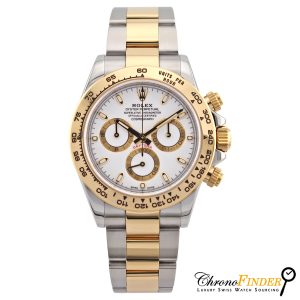
Daytona:
- Rolex’s chronograph. Racing heritage, three subdials, highly sought after.
- Perfect for collectors, chronograph enthusiasts, and those drawn to motorsport heritage.
Explorer:
- Simple, robust, three-hand watch. Clean design, excellent legibility.
- Ideal if you want a sports watch with minimal fuss, for fans of tool-watch simplicity, and for anyone prioritising versatility over extra features.

Sea-Dweller:
- Professional dive watch with extreme depth rating (1,220m) and helium escape valve.
- Best for serious dive watch enthusiasts, those who prefer the no-Cyclops aesthetic, as well as buyers wanting maximum capability.

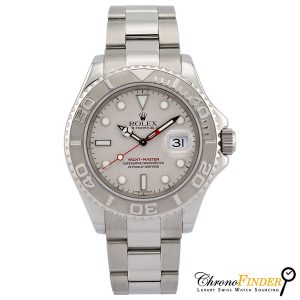
Yacht-Master:
- Nautical-inspired sport watch with refined finishing. Less tool-focused than the Submariner.
- Perfect for buyers wanting sport watch presence with dressier finishing and those who find traditional dive watches too utilitarian.
Classic models
These are elegant, versatile watches that work across formal and casual contexts.
Datejust
- Rolex’s iconic dress watch with date function and Cyclops lens. Available in numerous sizes, materials, and dial options.
- These are great for first-time buyers, anyone wanting maximum versatility, and people who wear smart clothing regularly.
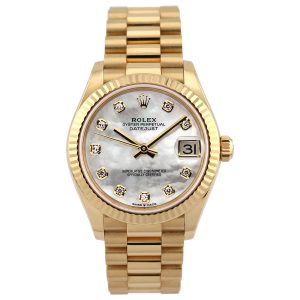
Day-Date
- The “President’s watch.” If you’re looking for prestige, a statement piece, or an unforgettable dress watch, the Day-Date is a serious contender.
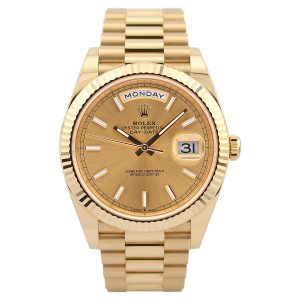
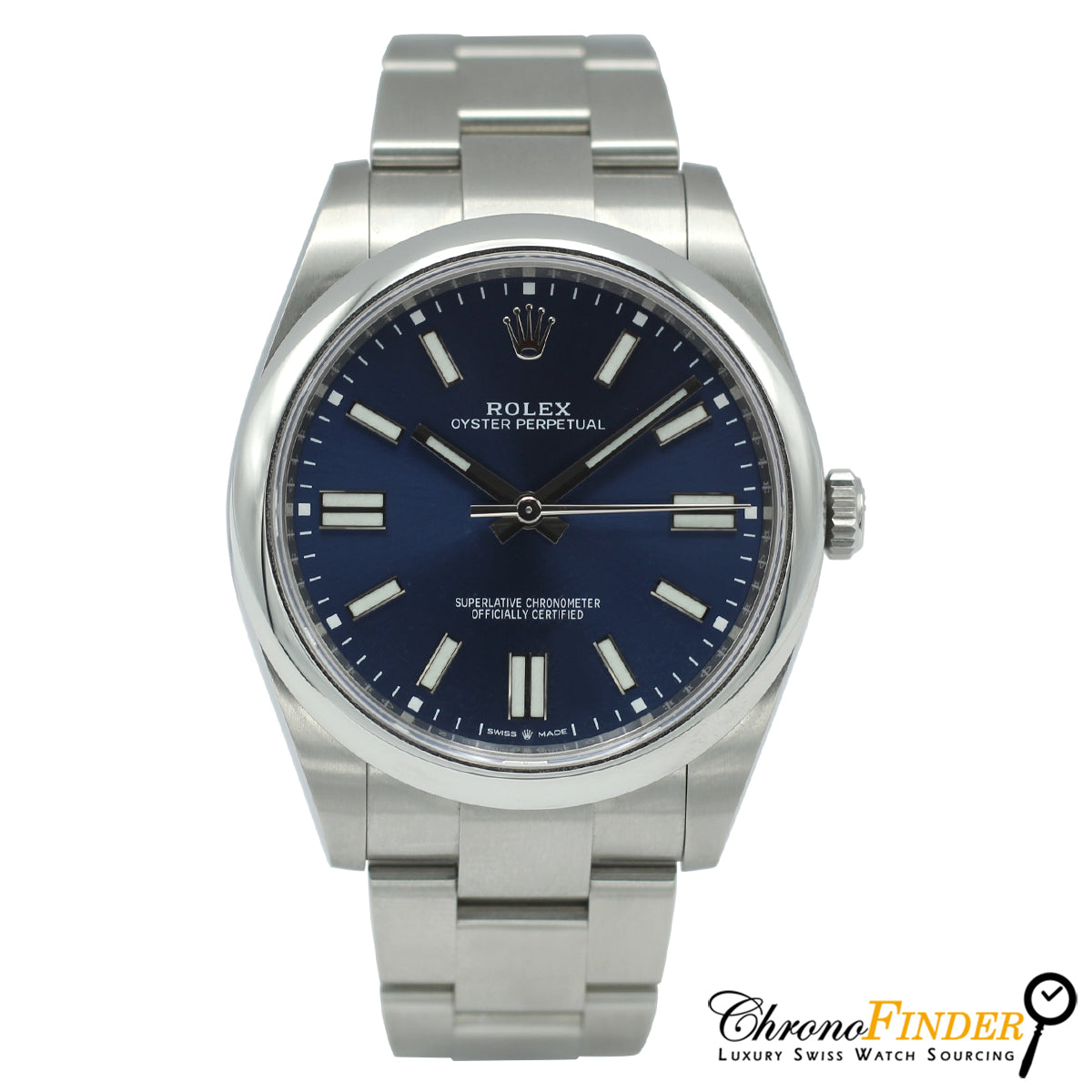
Oyster Perpetual:
- Time-only watch in Rolex’s classic Oyster case. Clean, simple, available in vibrant dial colours.
- Ideal for minimalists, first-time buyers on a tighter budget, and anyone who doesn’t need a date complication.
Air-King:
- Simple three-hand watch with distinct dial design and aviation heritage.
- The Air-King is great if you want something slightly different from mainstream sport models, and are a fan of the unique dial layout.

Our quick model match guide
We have prepared a table that matches your top priority to recommended models, as well as why it works. Check it out below!
| Your Priority | Recommended Models | Why It Works |
|---|---|---|
| Maximum versatility | Submariner, Datejust 36mm, Explorer | Works especially well casual or formal, proven everyday reliability |
| Formal/business wear | Datejust, Day-Date, Oyster Perpetual | Slimmer profiles, elegant finishing, slide under cuffs easily |
| Sport/casual lifestyle | Submariner, GMT-Master II, Explorer | Robust, comfortable, natural with casual clothing |
| Smaller wrists (under 16cm) | Lady-Datejust, Datejust 31mm, Oyster Perpetual 31/34mm Explorer 36mm | Proper proportions that don’t overwhelm slimmer wrists |
| First luxury watch | Submariner, Datejust 36mm, Oyster Perpetual | Strong resale value, timeless designs, accessible entry points |
| Building a collection | Daytona, GMT-Master II, vintage pieces | Unique complications or aesthetics that complement other watches |
| Value retention | Submariner, GMT-Master II (iconic bezels), Daytona | Strong historical demand, proven appreciation |
| Travellers & frequent fliers | GMT-Master II | Dual time zone tracking, iconic design |
Thinking About Size, Fit, and Comfort
Getting the size right matters more than any other specification. A perfectly proportioned 36mm watch will always look better than a 42mm watch that hangs off your wrist.
Understanding case sizes
Rolex offers watches from 28mm (Lady-Datejust) all the way up to 50mm (Deepsea Explorer). For most buyers, the sweet spot falls between 36mm and 41mm.
36mm and under – These are the classic proportions that work beautifully on smaller wrists or for those who prefer understated sizing. This was the standard for decades.
40-41mm – Modern sport watch sizing. These watches offer presence without being oversized.
42mm and above – Larger sport models. Wear these comfortably if your wrist is 17cm or larger.
Read our guide to Rolex watches for smaller wrists
Lug-to-lug matters too
While the case diameter is very important when choosing your watch, so is the lug-to-lug distance, which is the measurement from the top to the bottom of the case. This determines whether a watch actually fits your wrist.
If the lugs extend past the edges of your wrist, the watch is too large regardless of the diameter of the case. The watch won’t sit flat, will feel top-heavy, and won’t look proportionate.
We always recommend trying watches on in person if possible, as photos don’t always tell the full story.
Considering bracelet options
Rolex offers several bracelet styles, each with different characteristics:
Oyster – Three-link design. Sporty, robust, extremely versatile.
Jubilee – Five-link design. Dressier, more flexible, drapes nicely.
President – Semi-circular three-link. Elegant, formal, found on Day-Date models.
Oysterflex – A high-performance elastomer strap reinforced with a metal blade inside. It offers the comfort of a rubber strap while maintaining the durability and structure expected from Rolex.
More recently, Rolex has also introduced a new integrated bracelet design on the Land-Dweller, featuring a flatter, more contemporary profile.
The bracelet affects how a watch wears almost as much as the case size. The Jubilee tends to be more comfortable for smaller wrists due to its flexibility.
Learn more about Rolex bracelets
Materials and Dials
The material and dial combination defines a watch’s character as much as the model itself.
Steel, two-tone, or gold?
Here are some of the most common material types for Rolex watches:
Oystersteel (stainless steel) – Durable, versatile, holds value extremely well. The default choice for sport models and the most practical for daily wear. These blend in whilst still being unmistakably Rolex.
Rolesor (two-tone steel and gold) – Rolesor splits the difference between steel’s practicality and gold’s warmth. It adds personality without full precious metal pricing, and works surprisingly well in casual contexts.
Precious metals (yellow gold, white gold, Everose gold, platinum) – Typically found in statement pieces, watches using precious metals tend to be heavier, more expensive, and require more consideration in how you wear them. They are usually reserved for classic models or special edition sport watches.
In short, steel offers the best combination of durability, versatility, and value retention for most buyers. Two-tone adds character if you want something slightly more distinctive. Precious metals are for statement pieces that require a little extra confidence to carry off.
Dial colours and styles
Dial choice is deeply personal, but we’ve broken down the options below to help make things clearer:
Black dials – Best for maximum versatility. They work with pretty much anything and never look out of place.
White/silver dials – Classic, elegant, and tend to feel dressier than black. They also show any scratches less than darker dials.
Blue dials – These are a popular middle ground. They can have more personality than black or white whilst remaining versatile.
Colourful dials (green, red, turquoise, etc.) – Looking to make a statement? Pieces with colourful dials require more thought about what you’ll wear them with, but bring serious personality.
Stick markers vs. numerals – Stick markers (simple batons) feel more formal and offer a clean look. On the other hand. Roman numerals add character and aid legibility.
Start with what genuinely appeals to you, then consider the practical side. If you’re buying one watch, versatility matters. If you own multiple watches, you can afford to be more adventurous.
Setting Your Budget
Rolex prices span from around £5,000 to well over £50,000, depending on model, material, and whether you’re buying new or pre-owned.
The budget tiers
£5,000 – £10,000 – In this range, you’ll find pre-owned Oyster Perpetual models, vintage Datejusts, older Submariner references, and Air-Kings. These are a solid entry point into Rolex ownership, with excellent-quality pieces.
£10,000 – £15,000 – Around this number, you’ll find pre-owned modern Submariner, Datejust 36mm, Explorer, GMT-Master II (older references). This is the sweet spot for many first-time buyers, as it opens up access to iconic models in excellent condition.
£15,000 – £25,000 – Moving up, here you’ll find newer Submariner models, GMT-Master II, pre-owned Daytona, two-tone models, as well as newer references with full sets. You’ll enjoy a broader access to modern professional models and precious metal options.
£25,000+ – With a higher budget, you reach the Day-Date, Daytona, precious metal sport models, and rare vintage pieces.
Buying new vs. pre-owned
Buying new from an authorised dealer means you’ll receive a full manufacturer warranty and guaranteed authenticity, but it also means waiting lists for popular models, no negotiation on price, and limited stock.
On the other hand, purchasing pre-owned can offer immediate availability, better value in many cases, and access to models Rolex no longer produces. Just make sure you’re buying from dealers who authenticate properly and offer warranties.
Pre-owned also doesn’t mean making a compromise, as a well-maintained pre-owned Rolex in exceptional condition with proper guarantees is every bit as sound a purchase as buying new.
Read our complete guide to buying pre-owned Rolex watches
Final Thoughts
You’ve considered your lifestyle, explored the model families, thought about size and materials, and set a budget. Now what?
Start by shortlisting 2-3 models that tick your boxes. If possible, try them on. A watch you love in photos might feel wrong on your wrist, and vice versa.
We recommend not rushing the process. Rolex watches are significant purchases that should bring years of enjoyment, so take the time to be certain.